

If you are wondering what to see in Marrakech in 3 days, get ready for a trip full of contrasts, colors, and aromas thanks to the guide you are about to read. Snakes, food stalls, and crafts will captivate you with their unique essence. Join me through the most fascinating corners, the best places to eat, and the secrets that will make your trip to Marrakech an unforgettable experience.
Marrakech is a city that does not leave anyone indifferent. Its organized chaos, the smell of spices and leather, the sound of the vendors in the souks, and the hypnotic atmosphere of its medina transport you to another world and time.
In three days you can immerse yourself in its culture, explore its history, and enjoy Moroccan hospitality. I will tell you how to make the most of each day, with must-see places, unique experiences, and practical tips to make your trip perfect.
How to get to Marrakech
Getting to Marrakech is easy thanks to Menara International Airport, well connected with Europe and other parts of the world. From Spain, airlines such as Ryanair and Vueling offer direct flights at very competitive prices. Also, this year it is one of the destinations with the largest price drop compared to last year (21% cheaper).
Once at the airport, you can take a taxi (remember to negotiate the price before getting in), a public bus, or book a private transfer to reach the city center. I recommend the taxi: the price is 150 dirhams (~14 euros) per car for up to 3 people, and if 4 people go, the price is 200 dirhams.
What to see in Marrakech in 3 days
Day 1 - The essence of the medina
Jemaa el-Fna Square: Epicenter of the city and the best place to start your adventure. In the morning, you will find juice and spice vendors and people who will want to put a cute monkey on your shoulders or make a snake dance. Be careful, they will end up asking you for money. At night, Marrakech transforms into a spectacle of lights, music, and gastronomy. If you decide to drink an orange juice, which is typical, I recommend that you use your own bottle to avoid possible digestive problems such as traveler’s diarrhea as happened to me.
Souks: Getting lost in the souks is a must. Here you can buy carpets, ceramics, spices, colored lamps, or very fine woodwork. The tanneries are not as impressive as those in Fez, but they are worth visiting.
Bahia Palace: An architectural gem with patios full of mosaics and gardens that reflect Moroccan opulence.
Qubba Barudiyne: It is the only Almoravid building left in the city and the oldest monument in Marrakech. It is located near the Ben Youssef Madrasa and is an architectural gem worth visiting.
Ben Youssef Madrasa: Old Quranic school with impressive Arab decoration. Don’t miss it; it is one of the must-sees in Marrakech in 3 days.
Sunset at Jemaa el-Fna Square from a terrace: To end the day, you can go up to one of the panoramic terraces such as Café Glacier or Café de France and watch the square transform at sunset while sipping delicious Moroccan tea.
Day 2: Gardens and hammam
Marrakech Museum: Start the day by visiting this museum located in the Dar M’Nebhi Palace, perfect to learn about Moroccan history and art.
Majorelle Gardens: An oasis of peace designed by the artist Jacques Majorelle and restored by Yves Saint Laurent.
Gueliz District: The most modern part of the city, with shops, restaurants, and art galleries. If you are short on time, you can skip this visit, but if you want to eat or have a drink, this is your place because you won’t find alcohol elsewhere in the city.
Marrakech Palm Grove: An impressive place with over 100,000 palm trees where you can do a quad tour or camel ride. It’s an interesting contrast to the medina hustle and lets you see another side of Marrakech.
Traditional Hammam: You can end the day with a traditional Moroccan bath after two intense days exploring the city. I recommend Mythic Oriental Spa, Les Bains de Marrakech, or, if you want something more authentic and local, Hammam Mouassine.
Day 3: Excursions from Marrakech
On the third day, I recommend taking a nearby excursion (you can book it directly at your accommodation or at local agencies you will see in the medina) since there are several interesting places:
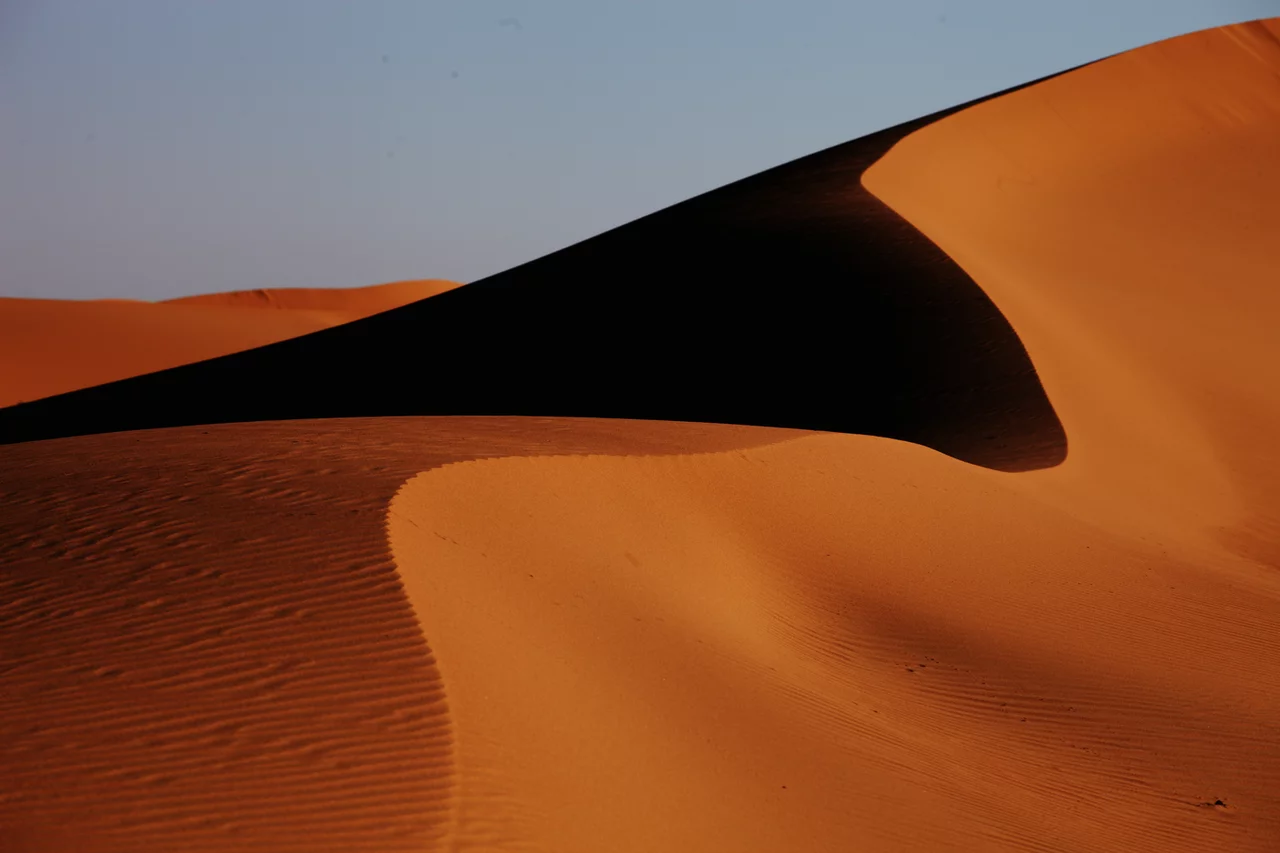
- Agafay Desert: Just an hour from the city, ideal for a camel ride and a night under the stars. If you decide to stay here, it may be better to swap day 3 with day 2, giving you more time to get to the airport.
- Essaouira: Coastal city with a more relaxed medina and a charming port. I recommend it as part of your 3-day Marrakech route.
- Ouzoud Waterfalls: An impressive natural spectacle, perfect for a day of adventure.
Where to eat in Marrakech
Moroccan cuisine is an explosion of flavors and spices. Some of the most famous dishes, or those I recommend you must try in Marrakech, are:
- Tagine
- Couscous
- Pastilla
- Harira
- Mechoui
Regarding restaurants, the options are multiple. You can also eat at street stalls with lots of locals, and I recommend at least one dinner at Jemaa el-Fna Square, a real spectacle of smells, flavors, and people. Recommended restaurants:
- Nomad
- La Cantine des Gazelles
- Café Babouche
- Dar Moha
- Henna Art Café
Where to stay in Marrakech
If you want an authentic experience in Marrakech, stay in a riad in the medina. Riads are traditional Moroccan houses with inner patios, fountains, and typical decorations, letting you immerse in the local culture better than in an international hotel. They are also located in the medina, making it more convenient to move around the city.
Recommended riads:
- Riad Les Nuits de Marrakech
- Riad Farhan
- Riad Alili
- Riad Le Clos des Arts
- Riad Paradis Blanc
If you prefer a more modern area with better access to restaurants and branded stores, Gueliz is a good option. Hotels include:
- Palm Menara
- Kenzi Menara Palace
In my opinion, riads offer a more personal and immersive experience than modern hotels, so if you want to live the essence of Marrakech, they are the best choice.
Practical tips for traveling to Marrakech
Currency: The official currency in Marrakech is the Moroccan dirham (MAD). Some shops and restaurants accept euros, but it is recommended to exchange money for better prices.
Best time to travel: Spring (March to May) and Autumn (September to November).
Electricity: Type C and E plugs, the same as in Spain.
Transport: The center of Marrakech is best explored on foot. For other areas: taxis, buses, or bike/motorbike rental.
Travel insurance: Highly recommended.
Safety and precautions: Marrakech is generally safe, but watch out for pickpockets, especially in busy areas like Jemaa el-Fna Square. Fake guides may try to offer tours or take you to shops.
Bargaining and shopping: Essential in the souks.
Water and food: Do not drink tap water; always bottled water. Avoid raw salads or food from unhygienic street stalls to prevent traveler’s diarrhea or other gastrointestinal problems.
Now you know what to see in Marrakech in 3 days and can organize your trip independently, a journey that is an assault on the senses: the colors of the souks, the aromas of spices, the taste of a good tagine, and the call to prayer at sunset create a magical atmosphere. Marrakech awaits with open arms.
Enjoy your trip!