

Tulum, located in Mexico’s Riviera Maya, is a destination that beautifully blends history, nature, and culture. With its ancient Mayan ruins, powder-white beaches, turquoise waters, and a thriving food and arts scene, it’s a place that captures every traveler’s heart. In this guide, I’ll show you exactly what to see and do in Tulum to make the most of this top 2025 destination.
Tulum has transformed from a quiet Caribbean hideaway into one of Mexico’s most sought-after destinations. It offers a perfect balance—secluded yet accessible, rich in history and surrounded by natural wonders like cenotes and pristine beaches. Whether you're into ancient cultures or simply want to relax in paradise, Tulum has something for everyone.
This gem of the Riviera Maya promises unforgettable experiences—from swimming in vibrant turquoise waters beside historic ruins to exploring ancestral culture and modern-day local life. In this complete guide, you’ll discover what to see and do in Tulum, some of the best-kept local secrets, and top tips for a flawless stay.
Explore the Mayan Ruins of Tulum: History Overlooking the Caribbean
One of the top reasons to visit Tulum is its stunning archaeological site. Perched on a cliff with panoramic views of the Caribbean Sea, these Mayan ruins are among the most iconic in Mexico.
The highlight is El Castillo, a structure dating back to the 6th century. It served as a lighthouse to guide Mayan boats and offers spectacular views of the coast. Don’t miss the Temple of the Descending God, which features a unique carved frieze. Walking through the site lets you imagine daily life in this ancient city and understand its strategic importance for trade.
To make the most of your visit, arrive early in the morning to avoid crowds and bring water, biodegradable sunscreen, and comfortable shoes. From the ruins, you can walk down to a hidden beach where the contrast between the ancient stone and the clear turquoise sea is simply magical. Don’t forget your swimsuit!
Tulum’s Best Beaches
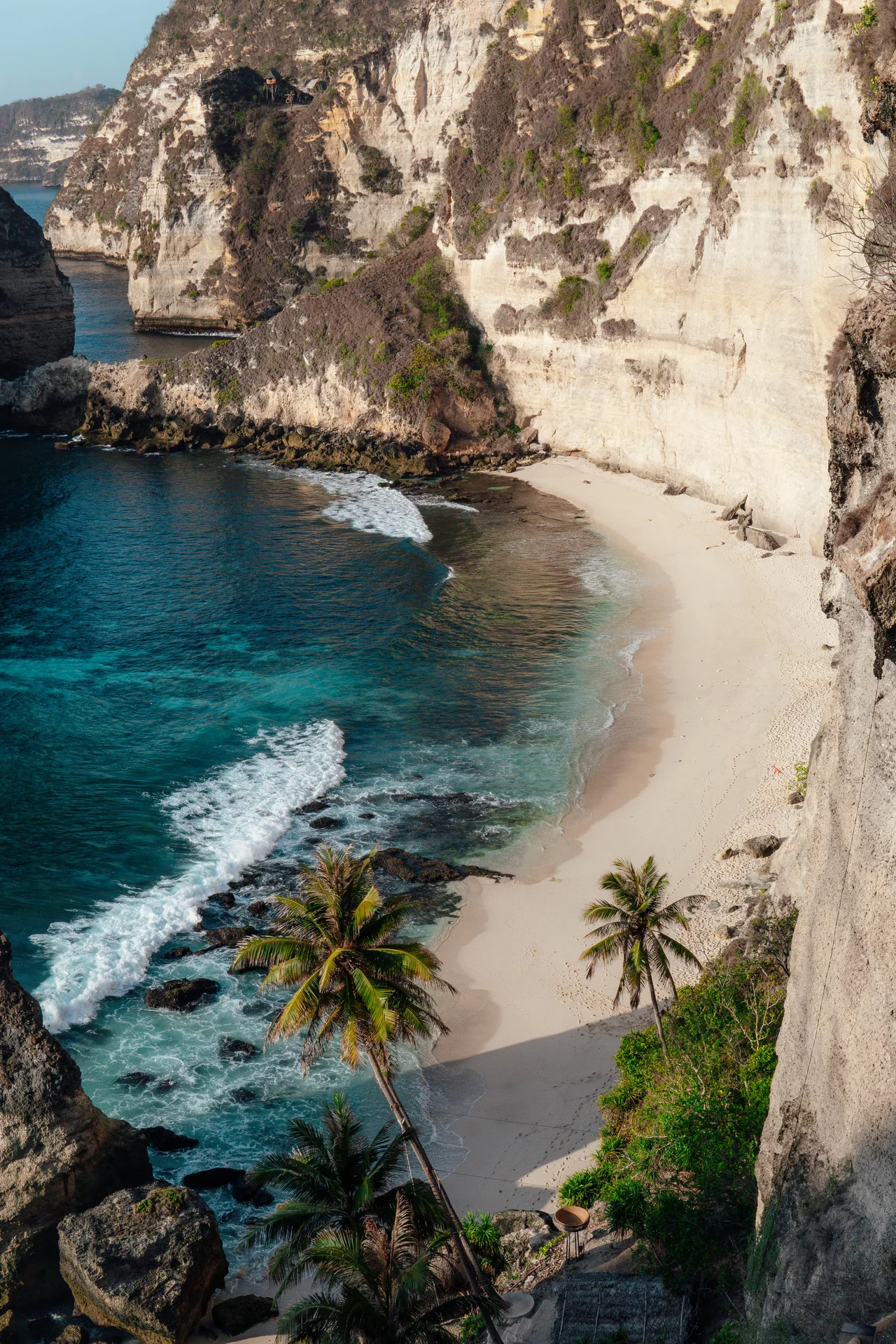
If Tulum is famous for one thing, it’s its beaches—considered among the most beautiful in the world. Playa Paraíso truly lives up to its name, with soft sand, crystal-clear water, and a laid-back vibe perfect for relaxing. It’s one of the best beaches in Tulum.
For the more active, many beaches offer snorkeling, paddleboarding, and beach bars with local food and drinks—Playa Las Palmas is a great example. If you're looking for exclusivity, head to Playa Pescadores or explore the nearby coves, which are less crowded and equally stunning.
Most beach clubs allow access with a minimum spend and offer amenities like hammocks and umbrellas. One must-see just outside town is the Kaan Luum Lagoon, a striking blue pool with an 80-meter-deep sinkhole in the middle of the jungle.
Tulum may have a bohemian soul, but it also caters to luxury travelers. On the southern beaches, you'll find boutique hotels, world-class restaurants, and—don’t be surprised—celebrities enjoying a walk on the sand.

Tulum’s Best Cenotes: Natural Pools You Can’t Miss
One of Tulum’s greatest natural attractions are the cenotes—natural swimming holes formed in limestone, perfect for swimming, diving, or just unwinding.
Gran Cenote is the most famous and ideal for clear waters and easy access. Cenote Dos Ojos, with its intricate cave system, is a top pick for those wanting to dive or snorkel with a guide. For something quieter, visit Cenote Sac Actun, a more intimate and less crowded spot.
If you’re looking for something more adventurous (and Instagrammable), don’t miss Cenote Calavera, with swings, ladders, and rock formations that from above resemble a skull’s eyes and mouth.
These natural formations are not only stunning but also hold deep spiritual meaning—the Mayans believed cenotes were portals to the underworld. Many still carry a magical, sacred atmosphere today.

Where to Eat in Tulum: From Street Tacos to Fine Dining
Tulum’s food scene is a delicious mix of authentic Mexican flavors and global influences, ranging from humble taco stands to upscale dining.
If you're after true local flavor, try tacos al pastor or fresh ceviche at spots like Antojitos La Chiapaneca. For a more elevated experience, Hartwood and Arca are standout restaurants offering menus based on local ingredients and modern techniques, often in open-air, nature-integrated settings.
Many restaurants in Tulum focus on sustainability, using organic produce and supporting fair-trade practices. Be sure to visit local markets too, where you can try tropical fruits, shop for crafts, and get a taste of the community vibe.
Contemporary Art and Culture in Tulum
Tulum is not just about beaches and ruins—it also has a thriving contemporary art scene.
One standout is Sfer Ik, an avant-garde gallery that merges modern art with organic architecture. Its exhibits and sensory installations are both immersive and thought-provoking.
Also don’t miss Holistika’s Art Walk, a community art space full of murals, installations, and open workshops. These artistic hubs show how Tulum is evolving with tourism while preserving its creative and cultural essence.
What Currency Is Used in Mexico?
In Mexico, the official currency is the Mexican peso (MXN). The typical exchange rate is around 20 pesos per euro, but we recommend using Ria’s free exchange tool to check up-to-date rates for excursions, hotels, and more.
While credit cards are accepted in many places, carrying cash is essential. Street vendors (a plate of tacos costs around 150 pesos—about 7 euros), beach umbrella rentals, entrance tickets, and some transport services are often cash-only.
To avoid hassle upon arrival, the easiest and fastest way to get pesos is with Ria’s home delivery or by visiting one of their 500,000+ branches worldwide. They offer excellent rates and maximum convenience.
Practical Tips for Visiting Tulum
- Transportation: Renting a bike or car is the best way to get around, as attractions are spread out. There are also public buses and minivans (colectivos), which provide a more local experience.
- Electricity: Mexico uses Type A and B plugs (flat pins, sometimes with a ground). You’ll likely need an adapter, which can be found at airports or travel stores.
- Weather: Tulum is hot and humid. The best time to visit is December to April, when it's cooler and dry. From May to October, you may encounter hurricanes or heavy rain. Pack light clothes, reef-safe sunscreen, and a reusable water bottle.
Tulum has it all: history, nature, gastronomy, and an unforgettable vibe. A dip in its warm, clear waters might just be the best way to recharge.
Have you been to Tulum already? What was your favorite spot? Let us know in the comments!