


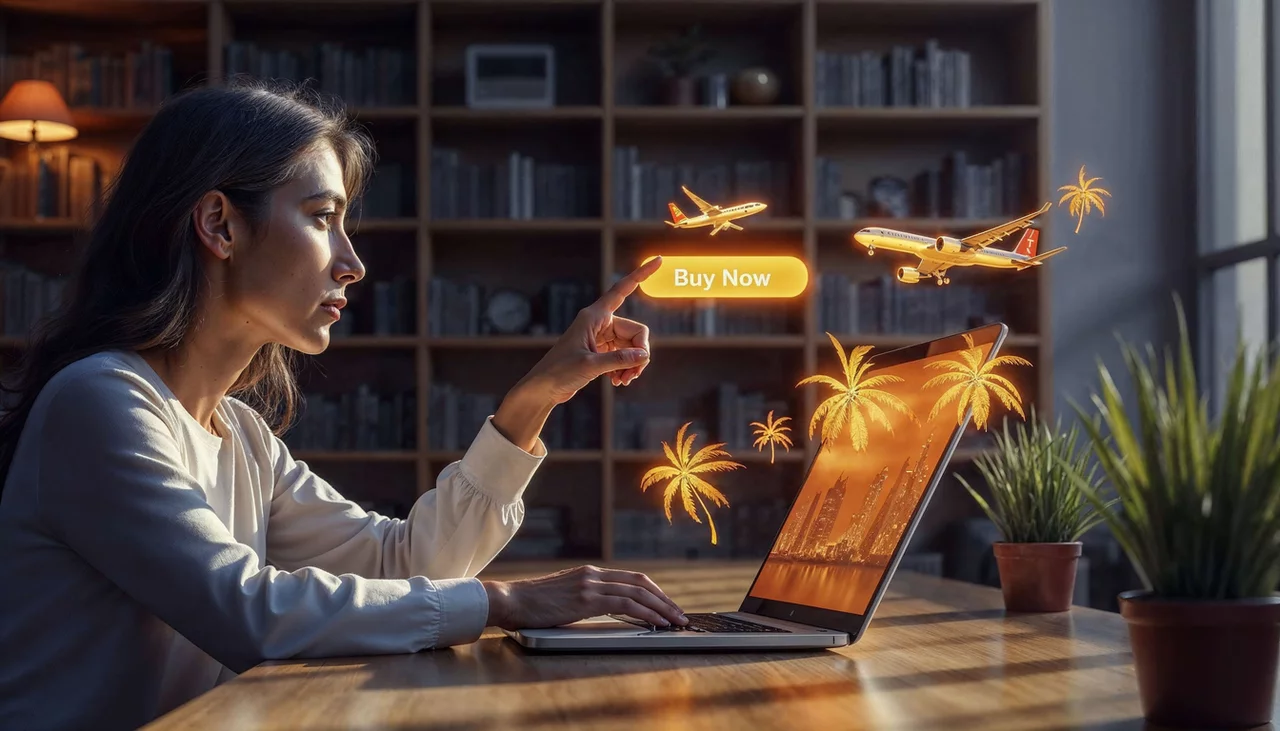
Tourism is undergoing an unprecedented transformation thanks to artificial intelligence. From trip planning to on-site experiences, the use of artificial intelligence in tourism is redefining how we explore the world. With algorithms that personalize routes, virtual assistants that respond in real time, and systems that optimize hotel management, this technology is improving efficiency and traveler satisfaction. But is everything really as perfect as it seems?
Gone are the days when organizing a trip involved browsing dozens of websites, reading countless reviews, and calculating the best travel dates. Today, artificial intelligence has simplified each of these steps, allowing travelers to access ultra-personalized recommendations within seconds. But the impact of this technology is not limited to planning; once at the destination, AI continues to enhance the experience with automated services, real-time suggestions, and an unprecedented level of personalization.
From chatbots that instantly solve queries to hotels adjusting their services based on guest preferences, artificial intelligence is revolutionizing the concept of travel. And while some fear that automation may reduce the authenticity of the experience, its main goal is to improve comfort and optimize time so travelers can focus on what truly matters: enjoying the trip.
Trip Planning with AI: The End of Endless Searching
Searching for flights, comparing hotels, and finding authentic experiences used to be a task that took hours. Now, with artificial intelligence, travelers can get personalized recommendations in seconds. Platforms like Google Travel, Skyscanner, and Kayak use AI to predict price fluctuations and suggest the best booking dates. Additionally, tools like ChatGPT or Bard allow users to obtain customized itineraries simply by describing their interests and preferences.
Chatbots have also revolutionized customer service in airlines and travel agencies. Companies like Expedia and Booking use virtual assistants that answer questions about reservations, flight changes, and entry requirements for different countries, reducing dependence on call centers and offering immediate attention, although sometimes speaking to a machine can be frustrating and finding a solution can be more complicated than talking to a real person.
Hyper-Personalized Travel Experiences
Once at the destination, artificial intelligence continues to play a key role. AI applications analyze behavior patterns to offer real-time suggestions. Google Maps and TripAdvisor already include recommendations based on previous reviews and preferences, helping tourists discover restaurants, attractions, and events tailored to their tastes.
Moreover, museums and cultural spaces have started integrating artificial intelligence into their exhibits. For example, the Louvre and the Prado Museum have developed AI-based interactive guides that allow visitors to receive explanations adapted to their knowledge level and language. Augmented reality combined with AI is creating immersive experiences that transform the way we perceive historical and cultural heritage.
Smart Hotels and Automated Service
Hotels are also adopting artificial intelligence to improve guest experiences. Chains like Hilton and Marriott have implemented chatbots capable of managing automatic check-ins, responding to room service requests, and adjusting lighting and temperature preferences according to the client’s taste.
Additionally, AI has optimized reservation management and occupancy forecasting. Thanks to machine learning algorithms, hotels can adjust prices in real time, optimizing occupancy and maximizing profits without compromising user experience.
Don’t forget to carry some cash on your trips because, although card payments are widespread in hotels and shops, there will be places where only cash is accepted.
The easiest and most convenient way to get money from the country you’re visiting is through Ria’s home delivery or at any of their offices (more than 500,000 branches in over 190 countries). They offer some of the best exchange rates without needing to leave your home or change money in “strange places.”
Security, Border Control, and Sustainability
Airports are one of the sectors that have most benefited from artificial intelligence. Facial recognition speeds up boarding and passport control, reducing wait times and improving security. Systems used in airports in Dubai, Singapore, and London employ AI to detect possible threats and speed up passenger flow.
In addition, in countries like Spain and the United States, immigration authorities have started using AI tools in tourism to analyze travel patterns and prevent fraud, ensuring more efficient and safer passenger flows.
At the same time, artificial intelligence is also contributing to sustainability. Companies like Airbnb have integrated AI to suggest eco-friendly accommodations and optimize energy consumption in their properties. Similarly, airlines such as KLM and Lufthansa have implemented predictive models that optimize flight routes, reducing fuel consumption and CO2 emissions.
In ground transportation, mobility platforms like Uber and Bolt use algorithms to optimize shared trips, reducing urban congestion and environmental impact. Moreover, some tourist cities have begun applying AI to manage tourist flows, avoiding overcrowding at popular spots and promoting less crowded alternatives.
The Future of Artificial Intelligence in Tourism
The evolution of artificial intelligence in tourism is far from stopping. In the coming years, we will see more sophisticated travel assistants, fully automated hotels, and AI-driven virtual reality experiences that will allow exploring destinations before visiting them.
As this technology continues to develop, the key will be finding the balance between automation and the human factor, ensuring that artificial intelligence enhances the experience without replacing authenticity, the essence of traveling, and providing the necessary trust that AI-generated results are accurate, since for now, many errors still occur and are difficult to detect unless you have prior knowledge in the subject.
Artificial intelligence in tourism is here to stay, redefining the way we discover, explore, and enjoy the world. Are you ready to let technology be your best travel companion?